Sunday, June 19, 2022

My Ranking of All 94 Winners of the Best Actress Oscar - Vol. 1 (94-80)

Well, I wasn't exactly sure I would attempt to tackle this. 

While it is easier to focus on films, the idea of comparing 94 different acting portrayals seems a lot more daunting. I did decide to challenge myself with this, especially since my rankings of the 94 films to win Best Picture was rather successful.

So, here we are.

I will be ranking all of the 94 winners of the Academy Award (Oscar) for Best Actress, which is normally the one acting category that gets the most passionate attention and debate.

Just like I did with the Best Picture ranking, I will split these up into 5 volumes:

94-80

79-60

59-40

39-21

20-1

To clarify, I am ranking these strictly based on how the performances compare with the other winning performances. I may reference better performances that I would've preferred to the winner, but that is more just to state my personal opinion and isn't exactly a tipping point in why that particular winner was placed in a certain position.

______________________________________

#94 - Mary Pickford, Coquette (1929)

Let us begin the ranking with the second performance to win this award.

Or maybe I should say "win" the award.

With the concept of Oscar campaigning becoming a far more exhaustive and despicable affair in the last 30 years thanks to the framework created by the likes of Harvey Weinstein/Miramax, the truth is that the early years of the Oscars were just as heinous with the practice.

In the late 20s up through the 50s, a lot of the Academy choices were influenced strongly by the movie studios throughout Hollywood and the industry as a whole.

Mary Pickford had been one of the biggest and most recognizable stars throughout the Silent Film era and she, along with her husband Douglas Fairbanks, were among the 36 founders of the Motion Picture Academy which would become The Academy of Motion Picture Arts & Sciences. In case it hasn't hit you yet, this is the organization that would put together the ceremony that would go on to be the Academy Awards.

Pickford and Fairbanks were arguably the biggest and most influential Hollywood couple of that era and when Pickford's career was starting to decline with the talkies, she hoped to reinvent herself as a more serious actress who could succeed beyond Silent films. She cut her famous curly hair in favor of a 20s flapper bob and took a part in Coquette, in which she plays a southern belle who takes in an interest in a blue-collar worker.

The film was a box office success and at the time, it was received relatively warmly by critics.

The truth is the film definitely a product of its time: very short but it feels a lot longer, poorly staged direction, and performances that feel either very wooden or too melodramatic.

Pickford, whose talents were not up to par compared to her contemporaries such as Greta Garbo or Norma Shearer, comes off as shrill and lacks any real sense of confidence. 

As much as it has been said that the award was won out of merit, I don't believe it for a second. Pickford lobbied very hard for it and even invited all of the members of the Academy to her famed mansion, Pickfair, for a luncheon.

Campaigning was born and it gave us a win for a truly horrid performance.

Of the nominees, I would've given the win to the posthumous nominee: Jeanne Eagles for The Letter.

_________________________________

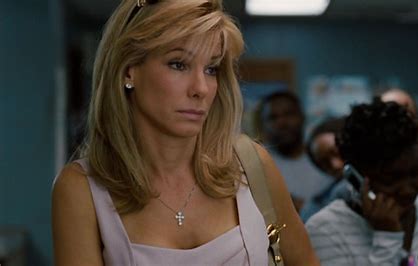
#93 - Sandra Bullock, The Blind Side (2010)

While Pickford may have been the first avid campaigner, Sandra Bullock is part of another truly horrible example: the narrative winner.

Bullock even said when she won "Did I earn this, or did I just wear you all down?"

 I can recall when The Blind Side came out that there was a surprising amount of awards buzz and it seemed that most of the film forum community was baffled by this, especially when other performances from even better films were so obviously superior to Bullock's work.

This isn't to say Bullock was bad necessarily, but it just wasn't anything remarkable. It also goes without saying...though screw it, I will say it anyway, that The Blind Side is a horrendous movie that is the perfect example of "The White Savior film". This may have been based on a true story, but a lot of the story was changed for the film to shine more of a heroic light onto the white family and less onto Michael Orr, the young black man who was the catalyst to the story.

I simply think The Blind Side is an offensive film that is so treacly and manipulative in its approach and within the confines of the film, I simply don't think Bullock can overcome that.

Not surprisingly, I think Bullock was surpassed by the other four nominees though my favorite was easily Carey Mulligan in An Education.

However, my favorite acting performance by an actress that year was from Kim Hye-ja, who starred in Bong Joon-ho's Mother (no relation to the Aronofsky film). She won the LA Film Critics Circle Award so she was certainly in the discussion but...of course...no such luck with the more mainstream awards circuit.

__________________________________

#92 - Elizabeth Taylor, Butterfield 8 (1960)
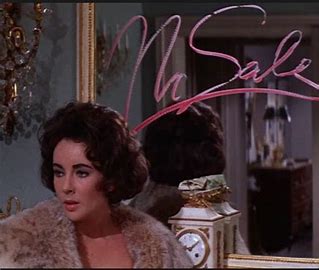

"I lost to a tracheotomy".

You sure did, Shirley MacLaine!

You sure as hell did!

No one else would agree with such a placement than Elizabeth Taylor herself, who viewed this film and her performance as trash or, as she herself had said in interviews "a piece of shit".

Butterfield 8 truly is pulpy trash, and it is remarkable that Taylor even got nominated for it.

However, there was yet another narrative here: one based on health and forgiveness.

Taylor had been under a lot of fire for basically stealing Eddie Fisher from his wife, Debbie Reynolds and as the fire kept coming, she came very close to succumbing from a severe bout of Pneumonia which led to her getting an emergency tracheotomy. 

This narrative cost Shirley MacLaine what would've been one of the most deserving wins in history for her performance as Fran Kubelik in Billy Wilder's perfect Romantic Dramedy, The Apartment.

Taylor was a great actress as evidenced by her work in films like Cat on a Hot Tin Roof, Suddenly Last Summer, and for her second Oscar winning performance in Who's Afraid of Virgnia Woolf? which, just to sort of spoil it, you will not be seeing until the final volume of this ranking.

With one of the worst death scenes ever filmed in a supposed "prestigious" film and with dialogue like, "I was the slut of all time!", you can't help but sort of try to view this film in a fun campy lens. It is just hard to do it when you know they actually felt it was wise to give Taylor an award for it.

_________________________________

#91 - Gwyneth Paltrow, Shakespeare in Love (1998)


Considering this was one of the first Oscar seasons I can distinctly remember following, I have a lot of opinions about this selection...as do a lot of people who follow this kind of thing.

A lot has been said about Shakespeare in Love, particularly with how it won Best Picture in an upset over the very popular and acclaimed Spielberg WWII epic Saving Private Ryan. A lot of the reasoning behind this was that of Harvey Weinstein, a man whose campaigning tactics were nothing short of diabolical. That Best Picture win is frequently considered to be his magnum opus, but going along for that ride was Gwyneth Paltrow.

Paltrow was seen as a promising young actress at the time, coming off roles in films like Emma and Sliding Doors plus there seemed to be an overwhelming obsession with her in terms of how she epitomized old-style Hollywood glamour.

The lovely YouTube channel BeKindRewind made a video on this topic and she nailed this point on how news outlets were giving Paltrow titles such as "the new Audrey Hepburn" or "the new Grace Kelly". 

Paltrow's win seemed like such a coronation, but the remarkable thing was how toxic the opinion towards her win changed. It also didn't help that her acceptance speech was quite possibly the most made fun of since Sally Field's 1985 win as she seemed to go on for an eternity and was blathering and crying to the point you could barely understand her. My favorite moment is when she can barely get out the thanks to her mother, Blythe Danner, and when it cuts to Danner in the audience, she almost seems put off by the display.

But that is me just being a bit snippy. As for the performance itself, it's fine. Nothing less, nothing more. It is not that remarkable in the slightest.

If you want remarkable, there were two nominees right there who gave stellar performances: Cate Blanchett's breakout role in Elizabeth and particularly Fernanda Montenegro, the Queen of Brazillian Theatre, in Central Station.

_________________________________

#90 - Loretta Young, The Farmer's Daughter (1947)


In what was considered one of the biggest acting upsets in Oscar history, Loretta Young won for her role as Swedish maid in the 1947 comedy The Farmer's Daughter.

Young managed to best Rosalind Russell, who had been considered the odds-on favorite for her intensely dramatic work in the Eugene O'Neill film adaptation of Mourning Becomes Electra.

Also nominated were Dorothy Maguire for Gentleman's Agreement (that year's Best Picture winner), Susan Hayward for her first career nomination, and Joan Crawford, fresh off her first win for Mildred Pierce.

Young had been a dependable character actress for many years but never really had a true break. She only even got this role because Ingrid Bergman had been let go after suspicions were brought to light that she may have been having an affair with co-star Joseph Cotton. 

Ah yes, Hollywood treating women like trash. You'll hear a lot of that from this time period.

At any rate, Young may have stood out in this race as coming from a drastically different kind of film as the other four actresses, but the truth is, despite its charm, it is a very uneven performance.

Despite being a Swedish character, her accent often slips in places, and my focus in scenes would often not even be her. Like I said, there is an undeniable charm with Young, but this still remains one of the more baffling acting wins in Oscar history.

________________________________________

#89 - Katharine Hepburn, Morning Glory (1933)


Prior to becoming "Box Office Poison", Katharine Hepburn managed to strike gold for a year with her performances in Little Women and her Oscar winning work in Morning Glory, a film no one talks about anymore unless referencing Hepburn. 

I have referenced the following quote various times throughout my blog because there is a lot of truth to it, particularly with that of Hepburn herself. She was quoted as saying "The right actors win Oscars, but often for the wrong roles".

Hepburn fits this to a tee. She has won more acting Oscars than any other performer: 4. 

Of those four, I would say she only deserved one...I won't say which one to reserve some suspense, but chances are if you are a film person, you already know.

Her work as Eve Lovelace in Morning Glory is a prime example of how stiff and wooden some performances could be in these early films. A lot of the acting trademarks that would define Hepburn's truly illustrious career are oddly missing with this performance. 

Of the nominees, character actress Mary Robson was my favorite from Lady for a Day but even she suffers a lot from the film around her.

____________________________________

#88 - Joan Fontaine, Suspicion (1941)

With Joan Fontaine, we have our first example of an actress winning an Oscar not long after losing for a far superior performance. In fact, this was just a year after she lost for the most memorable role of her career in Alfred Hitchcock's Rebecca.

Conveniently enough, she wins the next year for a performance in a rather forgotten about Hitchcock effort, Suspicion, which revolves around a meek and relatively naive woman who marries a playboy type only to discover he is not the man he says he is...and on top of that, he might be a murderer. 

Fontaine fits the ever-present blonde damsel in distress motif that pops up constantly in Hitchcock's films, but here, her portrayal as Lina feels far more lifeless than that of the previous years' "The 2nd Mrs. DeWinter". 

Is it just subtlety or is it simply a lack of solid characterization? I am more inclined to agree with the latter. 

Fontaine would've been a far more worthy winner in 1940 as opposed to 1941. If I were to opt for a candidate amongst the 1941 nominees, I would've opted for Bette Davis in The Little Foxes though I also wouldn't have minded Barbara Stanwyck for Ball of Fire.

______________________________________

#87 - Luise Rainer, The Good Earth (1937)

Are you ready for a heaping dose of YELLOWFACE?!

The Good Earth was based on a novel by Pearl S. Buck about Chinese farmers in pre-WWI China who struggling terribly to survive.

Paul Muni and Luise Rainer were both cast as the lead couple and in case the point didn't get across, they were lily white. 

Anna Mae Wong had lobbied hard for the role seeing it as her big chance to have a dramatic breakthrough role only for it to be denied as they cast Paul Muni in the husband role. In those days, the dreaded Hays Code forbid any kind of interracial couple pairings in films and thus, the role was given to Luise Rainer, who had just won an Oscar the year prior for The Great Ziegfeld.

Rainer was something of a pet project for MGM head Louis B. Meyer. For years, he had loathed the actress that had been his biggest star simply because she protested the fact that she made less than her male co-stars or that she felt it wasn't necessary to devote all her time to Hollywood hobnobbing.

That was Greta Garbo.

And Meyer hoped that getting another actress from Europe could somehow duplicate Garbo's success but have an actress that was willing to go along with the game plan.

Hilariously, it backfired. Despite winning two back-to-back Actress Oscars, Rainer's star would dim fast, and she would leave Hollywood by 1940. 

Rainer couldn't stand the Hollywood game even more than Garbo. When Rainer won this particular Oscar, she hadn't even planned on attending the ceremony until Meyer sent someone to her home only to find her in pajamas. They forced her to get ready for the ceremony and videos clearly show Rainer trying to appear happy while Meyer forces her repeatedly to show off her Oscar.

I feel bad for Rainer...and while I do think she was a woman of talent (which I will address more when I discuss Great Ziegfeld), I think this is a performance where it isn't just hard to separate the Yellowface angle, but also the fact that she tends to rely too much on stereotypes with the accent and a nearly constant wide-eyed facial expression.

Meyer lobbied hard for Rainer to win and the power of the film studios (as I have stated before) were too strong in those days...and he lobbied at the expense of Greta Garbo who was up for her truly iconic work in Camille. 

However, in addition to Garbo, you also had these stellar women:

Irene Dunne, The Awful Truth

Janet Gaynor, A Star is Born

Barbara Stanwyck, Stella Dallas

Gaynor was the very recipient of a Best Actress Oscar, and we will discuss her eventually. She would've placed a solid fourth here but Dunne, Garbo, and Stanwyck were all worthy to win this for some of the best work of their respective careers. 

The win for Rainer seemed like a wasted opportunity, especially those three women never won an Oscar.

_________________________________

#86 - Jessica Lange, Blue Sky (1994)
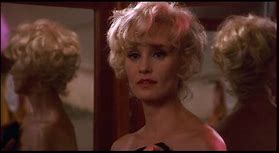
I adore Jessica Lange.

I think that she gives herself over to a character in ways that are unrelenting and surprising.

The downside to this is that it doesn't always come across as smoothly, so while I commend the effort and the boldness, I would just to follow it with "See you on the next film!"

Lange's win for Blue Sky happened during a year that still, to this day, gets a lot of flak for being a horrible year for women in film. 

It also happened to be a for a film that bombed at the Box Office when it was released after having been shelved for 3 years due to the bankruptcy of its original distributor, Orion. 

Her role of Carly Marshall is a suffering housewife who has frequent outbursts brought on by mental illness. So yes, it is a challenging and demanding role that requires a lot of extensive care and preparation. 

In the end, I don't think she fully succeeded nor does the film around her help in any way.

Her competition was incredibly weak as well, but I would probably give the win to Winona Ryder, who made for a truly wonderful Jo in Little Women. 

__________________________________

#85 - Reese Witherspoon, Walk the Line (2005)

An actress like Reese Witherspoon deserves an Oscar, and she was stellar in movies like Election in which she was snubbed for even a nomination.

Walk the Line is one of those standard musical biopic films that really do nothing to advance the art of filmmaking but as it stands, Witherspoon does a nice job. 

However, it is really more of a Supporting performance that doesn't get much of a chance to shine. It is kind of crazy to think that she won for this role while her co-star, Joquin Phoenix, did not.

Although in his case, he had very stiff competition against Phillip Seymour Hoffman, Heath Ledger, and David Strathairn while Witherspoon's was a little weaker.

As problematic as it is, Felicity Huffman did do a great job in Transamerica even if the idea of a cis woman playing a trans woman doesn't fly these days. 

They did snub some truly wonderful performances like:

Joan Allen, The Upside of Anger

Natasha Richardson, The White Countess

Joan Plowright, Mrs. Palfrey at the Claremont

Laura Linney, The Squid and the Whale (although she could also be Supporting)

_________________________________

#84 - Bette Davis, Dangerous (1935)


We have another entry in the "Someone wins Oscar soon after losing for a much superior similar performance" category.

Bette Davis burst onto the scene in 1934 with her performances as the miserable and grating Mildred in Of Human Bondage, a character she sought to play because she knew it was a chance to show Hollywood what she was capable of in a role that most actresses would be afraid to tackle.

While the film did end up losing money, she herself caused quite the sensation and the public loved her commitment to the character. Controversy then arose when she was snubbed of an Oscar nomination which seemed to be due to the fact that RKO didn't want to spend a lot of money on a film that lost them money while Davis' own studio, Warner Bros., didn't want to put money up on an actress of theirs who made a film for a competing studio AND that they found difficult (i.e. she wouldn't put up with sexist and hypocritical BS...for the record, Bette Davis is awesome!)

Dangerous was a film Davis originally turned down, but she was persuaded to accept it when she was told it was inspired by Jeanne Eagles, the late actress who suffered from drug and alcohol abuse despite her immense acting promise. Eagels was an idol of Davis' and she wanted to try to tackle the role in her honor.

The results were essentially a disaster. Davis manages to find enough good moments, but the film itself is the real disaster and a lot of the scenes play as retreads of Davis' outbursts from Of Human Bondage...even down to having a monologue she foams out of her mouth to Franchot Tone (with whom she has no chemistry even though it was rumored they had an affair) that feels like a watered-down version of her "Wipe my mouth!" monologue she screams at Leslie Howard.

Davis knew that Dangerous was mostly a failure and talks about it extensively in her very candid autobiography.

This win cost Katharine Hepburn an Oscar for one of her best performances, which was for Alice Adams. 

____________________________________

#83 - Grace Kelly, The Country Girl (1954)


Hollywood, especially of the supposed Golden Age, is petty as hell.

Despite a glorious comeback in which she gave the performance of her career, Judy Garland was cast aside due to her erratic behavior and controversial work ethic in favor of the glamorous Grace Kelly who did something that is also quite the popular favorite style in this category: "de-glamming" yourself.

Grace Kelly had talent, there is no question about that. However, her solid work in The Country Girl never left any kind of significant impression on me. It really truly read like an early example of Hollywood wanting to crown a new princess (pardon the pun) who had a pretty strong year with multiple hit films by singling out what was her biggest dramatic success in which she dared to present herself as looking rather plain.

All at the expense of Judy Garland, someone whose erratic and unhealthy tendencies were brought upon by Hollywood themselves.

Kelly would soon leave Hollywood to become a literal princess when she married Prince Rainier of Monaco. 

I think it is a fine performance, but this is one of those cases where I can't help but sit here and think how laughable and petty it is that Garland lost this.

___________________________________

#82 - Hilary Swank, Million Dollar Baby (2004)
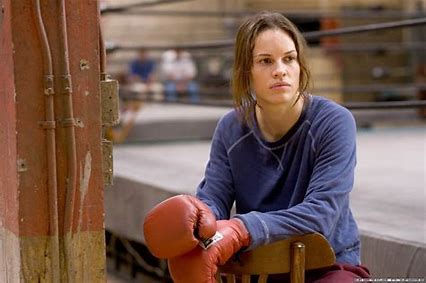

After winning a richly deserved (yet another spoiler for the ranking ahead) Oscar for her portrayal of trans man Brandon Teena in Boys Don't Cry, Swank's career didn't really seem to be going anywhere for a couple of years. Then, out of nowhere, she came back with Million Dollar Baby, won a second Lead Oscar (putting her in very prestigious company), and then promptly went back to not sustaining a great career.

I didn't like this win at the time, and I still don't like it now.

I think a lot of the buzz for this performance came more from the film's rapturous praise (and it did win Best Picture, undeservedly as well) and the fact that her character meets a tragic end. 

It was a solid performance that I mostly forgot about not long after watching it, aside from a couple of dramatic moments between her and Eastwood. 

When you have the likes of Kate Winslet from Eternal Sunshine of the Spotless Mind and Imelda Staunton from Vera Drake in your category, it is kind of hard to drum up a lot of excitement for many other performances. Even if I am a strictly basing it off of all of the 94 winners, I just can't rank her any higher even based on that.

_____________________________________

#81 - Sally Field, Places of the Heart (1984)
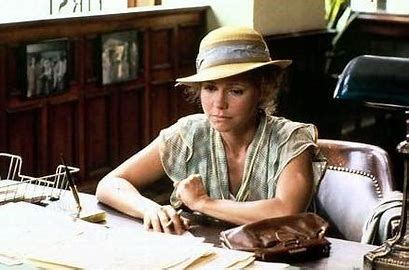

The Best Actress race in 1984 was sort of seen as a bit of a mess at first. Not a lot of pundits were sure which direction it would go, but when Sally Field won the Golden Globe, it seemed clear that she might be able to squeak out a second Oscar only 5 years after her first.

This second Oscar would lead to her infamous "You like me!" speech, but I am not going to knock her for that.

Sally Field is a wonderful actress who always exudes such warmth and strength in whatever she is given. She is also a trailblazer for being one of the earliest examples of a star being known primarily for fluffy TV roles being able to crossover to films and become a serious and respected actress.

Places of the Heart is part of a genre of film that seemed to be very popular in 1984: the "Farm is in Trouble!" movie which also included Country with Jessica Lange and The River with Sissy Spacek. 

Of the three movies, Places in the Heart is the better film but that isn't saying much.

Field gives a solid performance, but it doesn't seem to reach a level of anything remotely close to making me think "Yes! This performance needs an Oscar!".

The sad truth is I am not even sure who of the nominees would've deserved it...and those include Lange and Spacek from the movies mentioned above. I actually think Lange did better in the lesser film, but I think they should've bumped up Supporting Actress winner Peggy Ashcroft to Lead and have her win here.

________________________________

#80 - Norma Shearer, The Divorcee (1930)
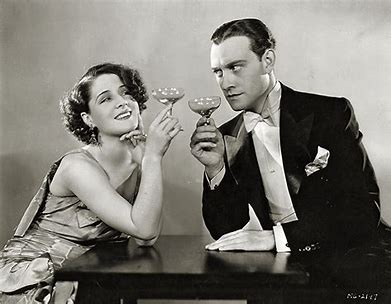

Time has not been kind to Norma Shearer. If you were to go back and look at the least of nominees in the 1930s, you will see that Norma Shearer managed to net 6 nominations and one win between 1930-1938. This was briefly the nomination record until Bette Davis would steal it a couple of years later...and now Meryl Streep has like 4,594 nominations...or 21...something like that.

Norma Shearer never really gets discussed anymore, but a lot of her legend comes from the fact that she was married to producer Irving Thalberg and that the clout managed to get her a lot of roles that she may not have been overly right for.

However, Shearer is a fascinating actress and over the 1930s, she would grow more polished as a performer. This is simply a case where I find her more melodramatic acting style to be a bit much and that it just doesn't measure up when comparing it to the other winners.

San Francisco Chronicle critic Mick LaSalle is a premier expert on the pre-Code era of Hollywood, so he has had a lot to say about the likes of Shearer.

"Shearer is the exemplar of 1930s sophisticated womanhood...the first American actress to make it chic and acceptable to be single and a virgin onscreen".

Shearer was definitely more of a pioneer for strong women than many give her credit for. She would go on to give better performances in movies like Marie Antoinette, but despite the low ranking for this performance, I do admire what she could accomplish at a time when women were even more discriminated against. 

____________________________

FINAL THOUGHTS:
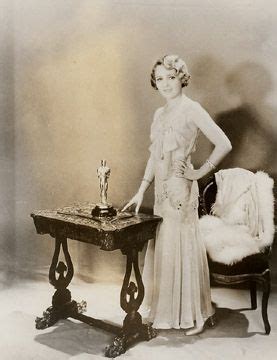
In this first volume, I did find it interesting how some of these performances almost seemed too good to rank as low as I was. This isn't to say that I think super highly of them...but I did realize that some of these choices were mildly more admirable than their Best Picture choices.

This is also going to be a bigger challenge than I anticipated.

I have already shifted around and changed several names on this bottom ranking a few times before officially posting this...so I have no doubt that this list would change again if I were to view some of these performances back-to-back again.

I do stand firm with my lowest choices. Winners like Pickford, Bullock, and Taylor (Butterfield 8) are truly shameful.

Next up will be my choices for 79-60.

As of my exact writing of this, I haven't officially started the ranking like I had with the Best Picture series, so I am going to be building it as I go along.

I suppose the distraction will be fun for me!

Friday, June 17, 2022

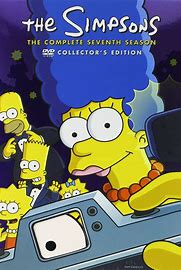
The Whimsical Beauty of Season 7 of THE SIMSPONS - My Top 10 Episodes Included!

 Following the departure of showrunner David Mirkin at the end of season 6, the show's reigns were handed over to the writing duo of Bill Oakley & Josh Weinstein, who had been on the writing staff since season 3 and began making a big mark during the Mirkin years of seasons 5 and 6. 

Oakley & Weinstein were passionate fans of the show and a lot of their sensibilities felt more in line with the familial elements that were more on display during their first two seasons on staff (under Al Jean & Mike Reiss) and after resolving the Who Shot Mr. Burns cliffhanger in the first episode, you can start to see the shift back to things being a little more grounded.

In the second episode, "Radioactive Man", you still have a rather splashy backdrop of Milhouse getting cast in a film being made in Springfield much to the envy of Bart...but that friendship storyline still feels very much like something that would've fit perfectly in the world of season 3 but with more of a heightened edge.

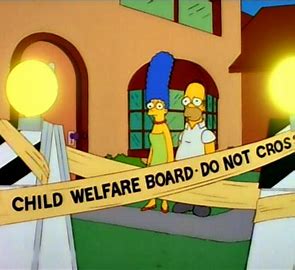
The third episode, "Home Sweet Homediddly-Dum-Doodily", really drives the family dynamic while also addressing a rather large elephant in the room (and, no, I don't mean Stampy): how the family's dysfunctional moments lead to a misunderstand that Bart, Lisa, and Maggie are being abused/neglected and they are taken away from Homer and Marge only to be placed with the Flanders next door. Perhaps a little convenient in a way, but it really sets up a sweet dynamic with how much the kids miss their parents...although Maggie might be willing to become a Flanders.

However, it is in the fourth episode of the season in which you really see that The Simpsons has reached a new level of greatness and thus it would set off a series of episode that would prove to be the final gasp of brilliance before things would slowly trickle away gradually over the next 3 seasons. I will discuss that in a much less vague way here in a bit.

I had made a comment in my season 6 essay that it may be the best season that the show ever produced...but I also feel like I admire so many of the creative choices made in season 7 that I could easily make an argument for it being the greatest season.

It was certainly a hard act to follow as Oakley/Weinstein would not be able to sustain their consistency level the next season...but they had something truly whimsical and delightful and, at times, bittersweet and thought-provoking with this season.

________________________________________

TWO HONORABLE MENTIONS:

Who Shot Mr. Burns Part Two

Written by Bill Oakley & Josh Weinstein

*IF YOU CARE ABOUT SPOILERS FOR THIS EPISODE OR MAJOR PRIMETIME SOAPS, DON'T READ THIS...haha...*

I admittedly wanted to try to single out other episodes, but I did still want to discuss the follow-up to the cliffhanger.

I can still remember the summer waiting for this cliffhanger to be resolved. While there was "talk" about it, I do remember hearing a fair amount of people bemoaning how gimmicky it was to try to push the narrative to create a whole "Who Shot JR?" style phenomenon.

I think a lot of that culminated in when Springfield's Most Wanted aired right before the season 7 premiere in which America's Most Wanted host John Walsh went through all the suspects and the mayhem one by one. Even at my young age (and for the record, I haven't watched this special in almost 25 years), there was definitely something about that felt off. Looking back at the reviews, many deemed it tacky and far beyond what the episode required. Some even felt like it ruined any credibility that John Walsh may have had.

In the end, the final product that matters would be the episode itself. 

THE SHOOTER WAS: Maggie Simpson.

Yep, the baby did it.

Even the Vegas betting pool had Maggie at 70-1 odds, but it just seemed like an implausible choice.

It was also a scenario in which no real comeuppance was felt within the show, but honestly, I kind of love the choice because it actually feels in line with Dallas too.

JR's shooter was revealed to be Kristin, his sister-in-law and mistress. While she was certainly a focal point on the show, she was also a secondary supporting character who wasn't featured in the opening credits. She was simply expendable.

The truth is that so many of these primetime soaps had cop-out ending to their cliffhangers: 

Dynasty's Moldavian Massacre left the entire cast in a sea of blood after a coup occurs at a family wedding. The next season finds them all spared and seemingly not that injured aside from two minor character deaths.

Twin Peaks tried hard to create a Who Shot JR? cliffhanger at the end of its first season but that incensed people so much that they didn't even care about the resolution which was resolved well after Lynch/Frost were forced to reveal Who Killed Laura Palmer?

I could go on and on with this, but as it stands, I think the episode and the resolution works within the world of an animated sitcom. 

And as a Twin Peaks superfan, I adore the Red Room sequence. 


------------------

The Simpsons' 138th Episode Spectacular 

Written by Jon Vitti

Clip shows are some of the worst and most annoying episodes of any TV show you could watch...and by this point, we already had two Simpsons clip shows.

If there was ever a single clip show from any TV series in history that I would tell you to watch, it would be this one without hesitation.

The fact that I actually like this episode as much as I do is a true testament to this writing staff.

First, you have the idea that this is occurring as the 138th episode of The Simpsons as if that is a big milestone.

Second, the special is being hosted by Troy McClure, the washed-up actor voiced by the late great Phil Hartman which makes for easy laughs right there.

They also showcase clips not just from the show, but also the original shorts that aired on The Tracey Ullman Show. 

Perhaps what truly helps it is how meta the whole thing is. They go all in on every critique and observation being made about the show at that point, like Homer getting stupider with every passing year or how horrible the animation was during the Tracey Ullman years.

Oh, and I do love that they portray Matt Groening as being a right-wing fascist for seemingly no reason. 

Or, the bit where they do the quiz about beloved popular recurring characters who were killed off to which they say "If you answered Bleeding Gums Murphy and Dr. Marvin Monroe, you were wrong because they were never popular". Genius delivery by Hartman there.

I think no clip show will ever top this one in the history of television.

_____________________________________

And now...THE TOP 10!

-----

#10 - Bart the Fink

Written by Bob Kushell & John Swartzwelder


It is crazy the things we remember after many years.

This episode originally aired in February 1996, and I can distinctly recall seeing the promos for it and being very concerned over Krusty's "demise" (which is depicted in the photo above).

Krusty the Klown is one of those characters that just worked so perfectly simply because he was the epitome of a hack who sold himself out over the power of a dollar.

And yet...Bart idolized him.

And Bart accidently leads the feds to arrest him for tax fraud. 

When Krusty dies in a helicopter crash, Bart is left feeling even more guilt of not just destroying his hero's life, but having it end as well. Though with the help of Lisa, who was always there to help aid in solving a good mystery, Bart realizes that maybe Krusty has a plan up his sleeve.

Though the episode's storyline was pitched by Bob Kushell, the actual teleplay was scripted by longtime Simpsons mainstay John Swartzwelder, the reclusive conservative who remained on the Simpsons staff until season 15 and would be one of the best and most prominent voices the show ever had. 

_________________________________

#9 - King-Size Homer

Written by Dan Greaney


This has got to be one of the best examples of Homer scheming to buck the system in the show's history, and despite its over-the-top ending, they manage to find ways to ground the story and even give his marriage to Marge a fresh issue that they hadn't exactly tackled yet.

"King Size Homer" starts off with Homer loathing Burns' new exercise regimen at the nuclear plant and when he discovers that he only weighs 61lbs shy of being eligible for disability, he gains a total of 75lbs and gets the chance to work from home.

This is something Homer has always dreamed of...although the immense weight gain brings strain to his relationship to Marge.

If there is ever one well that the writers ran dry in terms of conflict, it is the marriage of Homer and Marge. Here, they don't focus too much on it but have a single moment that really shows the issue at hand. Marge simply is losing her attraction towards Homer...and you can tell this really hurts her deeply. You can also see Homer is hurt by it, but he is still so invested in his plan of being a better worker that he feels it should be enough to save their relationship in the end.

I also very much love the ending of the episode where Burns, after Homer saves the town from a nuclear disaster, tries to put Homer through another work-out regime only for him to realize the fruitless goals.

"Drat! I'll just pay for the blasted liposuction!".

_________________________________

#8 - Bart on the Road

Written by Richard Appel


"Andy Williams?!"

I have to admit, this episode always struck me as one of the more far-fetched plots from any season of the golden era...however, it is immensely enjoyable, and I love it for being one of the earliest examples of showcasing a sweetly quirky side to Nelson Mandela Muntz, the resident bully to pretty much anyone who crosses his path in the town of Springfield.

Nancy Cartwright, who also voices Nelson in addition to Bart, is always fantastic when she voices him. Nelson's trademark "Ha, ha!" is one of my favorite catchphrases from any TV show in history.

The fact that this foursome of Bart, Milhouse, Nelson, and Martin end up in, of all places, Knoxville so they can see the Sunsphere from the 1982 World's Fair is one of those storyline beats that only The Simpsons can really sell.

And once again, it is up to Lisa from afar to get her older brother out of another jam.

As much as they don't get along, I think the frequently unsaid affection that Bart and Lisa feel towards each other as siblings is one of the sweeter relationships you can find on a sitcom.

_________________________________

#7 - Two Bad Neighbors

Written by Ken Keeler


It may have taken them a couple of years after he left office, but The Simpsons managed to get revenge on the 41st President of the United States.

George H.W. Bush infamously made a comment during his presidency that American families needed to be "a lot more like The Waltons and a lot less like The Simpsons". It is still crazy to think that there was a time when The Simpsons was seen as counterculture.

In "Two Bad Neighbors", the family discovers that Bush and his wife Barbara are moving in the mini mansion across the street from them. Their main reason of coming to Springfield was in hopes to avoid politics...and they saw that Springfield had the lowest voter turnout of anywhere in the country.

Everything about this setup is splendid. 

Homer and Bush obviously don't get along, but the brilliant angle is that Bart gets to act as Dennis the Menace to Bush's Mr. Wilson.

I also love the bit where Homer uses cardboard cut-outs of George W. and Jeb to trick Bush into coming on the porch so that Bart and super glue a rainbow afro onto his head.

Then it all leads to a bit of a silly but brilliant ending where Bush moves out and Gerald Ford moves in, proving to be a perfect match to Homer's clumsy oafish demeanor.

________________________________

#6 - 22 Short Films About Springfield

Written by Richard Appel, David X. Cohen, Jonathan Collier, Jennifer Crittenden, Greg Daniels, Brent Forrester, Rachel Pulido, Steve Tompkins, Bill Oakley, Josh Weinstein and Matt Groening


Yes, it is time to discuss the iconic Steamed Hams episode.

However, this episode is far more than just the Steamed Hams moment. In fact, my favorite exchange from that scene was the bit about the light from Skinner's kitchen being Aurora Borealis as opposed to a raging fire.

"22 Short Films About Springfield" is essentially just 21 brief storylines crammed into one episode and told in a rather linked together way that was inspired partly by Pulp Fiction, even directly parodying the scene that infamously involves The Gimp from that film.

The episode was originally inspired by a brief segment from Season 4 called The Adventures of Ned Flanders which was added to the show to fill time but amused the writers enough that they felt short segments like that to fill an episode could prove to be a fun exercise.

They definitely succeeded. 

In addition to Steamed Hams, you have Lisa dealing with gum getting stuck in her hair; Burns and Smithers on a bike with the latter getting stung by a bee when he's allergic, or a character like Professor Frink trying to get a story only to get cut off by the ending credits.

A truly delightful and rather successful gimmick.
_______________________________________

#5 - A Fish Called Selma

Written by Jack Barth


After a few seasons of stealing every brief moment in which he appeared, us Simpsons fanatics got exactly what we wanted: an episode focused on Troy McClure.

What is even more delicious is when they pair him with the dry, droll, and lovelorn Selma Bouvier.

"A Fish Called Selma" was the perfect example of how The Simpsons was able to moderate certain side characters and only bring them out sporadically in larger doses. I do have to wonder what other brilliant episodes we could've gotten if it weren't for Phil Hartman's tragic murder in 1998.

Even though we've seen Selma be lovelorn before, including a marriage to Sideshow Bob back in season 3, this episode still feels very fresh thanks to the dynamic between the two.

Aside from the wonderful pairing, this episode also gives us the great highlight of Troy McClure performing in the fictional musical adaptation of Planet of the Apes in which we get the iconic Simpsons tunes "Dr. Zaius" modeled after the Falco hit "Rock Me Amadeus" and the rousing finale "They Finally Made a Monkey Outta Me". 

Oh yes, who could forget that Troy McClure seemingly has a fish fetish? 

This was actually a suggestion from Executive Producer/Co-developer James L. Brooks who deemed it "so perverted, so strange, that it was over-the-top" and would work on a comedic level.

_______________________________________

#4 - Marge Be Not Proud

Written by Mike Scully


I have always considered this a fairly underrated episode within the Simpsons canon, and a lot of that stems from the truly fascinating character dynamic that is Bart and Marge. They frequently tap into the hilarious and truly bittersweet Lisa and Homer dynamic often, but there is something truly charming and affective about Bart and Marge.

Marge often refers to Bart as her "special little guy" and it is obvious he feels a warmth for his mother that he doesn't exactly feel for his father.

The timeline of this series is certainly caught in its own time warp, but for us, this is a 7-year build of Marge finally hitting a breaking point with Bart and his rebellious behavior.

She is willing to give him the benefit of the doubt and defend him, but here, in front of a busy department store during the holiday season, she finds out that Bart did steal the video game that the security guard accused him of.

Early in the episode, Bart is bemoaning his mother's childlike bedtime ritual...but then after the incident, Marge becomes emotionally distant. When Bart expects her to come in and sing his Mother Goose bedtime song, she comes to the door and rather stoically says "Goodnight." and shuts it.

It feels surprisingly unsettling in a way to see Marge at like this. It is almost like, to perhaps exaggerate a little bit, a mild version of Mary Tyler Moore in Ordinary People.

The episode ends on a positive note, of course. Bart and Marge make peace and you feel warmed by their new truce.

______________________________________

#3 - Summer of 4ft2 

Written by Dan Greaney


One of the biggest complaints that I, and many Simpsons fanatics, have had about the recent era depiction of Lisa Simpson is that she is far more interested in the big fads rather than being someone who often scoffs at the popular crazes. 

Case in point: the infamous Lady Gaga episode that aired about a decade ago and is often considered a nadir of The Simpsons canon.

Here, we get an early example of Lisa trying to fit in only for it to fail...but it still has a happy ending because the people she meets end up realizing they like Lisa for being Lisa. It is better message...and it also shows how Bart can be endlessly cruel but that in the end, Lisa will persevere.

"Summer of 4ft2" is a classic of the "summer vacation" genre and also serves as one of the best Lisa-centric episodes, which sadly have become one of the more frequently tapped and reviled episode topics of recent years.

I also think it is one of the best season finales from the show's history, but it actually proves to be a bit of a saving grace for the season.

Despite my immense admiration for the season, I actually feel like some of the weakest episodes all occurred back-to-back leading up to this finale, like "Raging Abe", "Much Apu About Nothing", and "Homerpalooza"...but I shouldn't complain about those as pretty soon I will be getting to an era where I will even struggle to come up with a list of top 10 episodes I truly like.

_______________________________________

#2 - Mother Simpson

Written by Richard Appel


Perhaps one of the most important episodes in the history of The Simpsons, I feel like we learn a lot about why Homer is the way he is thanks to his mother...or rather, how the lack of her presence affected him deeply.

Starting out with an elaborate scheme of faking his death just to get out of cleaning litter of the side of a highway on a Saturday, the incident pulls Homer's long-lost mother out of hiding. He was told she was dead...but in fact, she is a fugitive who has been on the run from the law for the past 30 years.

"Mother Simpson" also gives us the first glimpse of how the women who are either of Simpson blood or married into the family have a strong sense of intelligence...which explains the intelligence of Lisa well before season 9's "Lisa the Simpson".

Mona is seen as being inspired by Bernadine Dohrn of the radical group The Weather Underground, who has strong and passionate beliefs about important issues, but her good intentions lead her to becoming sought out after making the poor mistake of helping Mr. Burns instead of running to escape from his Germ Warfare laboratory where he had planned to poison all of Springfield.

Mona's shown as being a very loving and caring mother with also having a bit of a silly streak...she is also the source of Homer saying "D'oh!", a bit we find out as she departs having to go into hiding again.

The ending of the episode which has Homer sitting on his car looking at the stars well into the night is easily one of the most iconic and touching images from the show's history. 

After having seen this episode, I wondered how different Homer may have turned out as a human being had Mona not needed to run away to protect herself and the family. It really alters how you perceive everything with Homer, and it was a brilliant bit of character development relatively later into when most series would do so.

________________________________

#1 - Bart Sells His Soul

Written by Greg Daniels

You may recall in my intro that I discussed how the fourth episode of the season would signal a new shift in the series. 

That would be "Bart Sells His Soul", which not only is my favorite episode of Season 7, but it is easily one of the best episodes of the entire series. I usually rank it within my top 10 at #4 or #5...so yes, this one is truly a classic in my book.

Even before getting into the episode proper, it starts off with one of my favorite Bart pranks ever...and easily one of the best intro scenes of the show's history. 

Coming in hot at church, we see Bart gleefully handing out the Sunday hymn that is "fresh from God's brain to your mouth". 

The hymn is, as Rev. Lovejoy recites, "In the Garden of Eden" by I. Ron Butterfly.

And on the pipe organ, we hear the opening strains of Iron Butterfly's "In a Gadda Da Vida"...but it takes a good several minutes (with time jumps, of course) for Rev. Lovejoy to make the connection: "Hey, wait a minute, this sounds like rock and/or roll".

Bart is found out thanks to Milhouse being a narc...and thanks to being a narc, Lovejoy decides to punish Milhouse, too.

While cleaning the pipes of the organ for their punishment, Bart admonishes Milhouse for ratting him out. Milhouse claims that he just wanted his soul to be clean so he wouldn't one day be sent to hell. Bart claims that is ridiculous because there is no such thing as a soul.

He finds so little meaning in the idea of a soul that he is willing to prove its lunacy to Milhouse by selling it to him for $5. 

After he does so, he starts noticing a difference in life and how both he and others perceive it and him. The range from the more surreal (Automated doors won't open for him) to the more psychological (He no longer finds Itchy & Scratchy to be funny).

As often is the case with Bart storylines...as has happened a couple of times within this top 10...it will be Lisa who ends up both warning Bart at the idea of having sold his soul and it will also be up to her for saving the day.

"Bart Sells His Soul" is a surprisingly profound episode.

The concept of if a soul exists and what one might make of it is a topic that has been debated and studied for quite some time. In fact, this episode has become an important tool in various classes centered around religious education and even in psychology and philosophy. 

This is simply an episode that was able to transcend more than just being a funny, classic episode of a truly landmark television series.

Lastly, the B plot may seem irrelevant in the grand scheme, but I think that is why it works so well. Sort of similar to how Bart running for class president in season 2's "Lisa's Substitute" worked as a nice palate cleanser to the bittersweet story between Lisa and Mr. Bergstrom.

Moe decides to turn his tavern into a family-friendly restaurant. If you know anything about Moe, you can probably already assume how well that works out for him.

_____________________________________________

FINAL THOUGHTS:

Season 7 is, as I stated in the title, a season of whimsical beauty at times. Oakley & Weinstein managed to bring a certain charm back to the show that felt more akin to that of season 3. This isn't a surprise since both have been quoted as calling season 3 the best season to ever happen to a television show.

Mirkin's more cynical and brash tone helped keep the show alive despite its occasional erratic results, but Oakley & Weinstein brought that relationship-based feel back but with a deeper, emotional core at times. 

This season truly does feel like a last gasp of the kind of series The Simpsons once was. 

Season 8 may have still contained more successes than misses, but I can't help but feel like the rest of the series following this season just couldn't measure up to it. 

The one-two punch of seasons 6 and 7 mark for the show's best creative peak along with seasons 3 and 4. 

The admiration I feel for this era is simply unmatched.

____________________________________________

REVISIT THE OTHER SEASONS BELOW!

SEASON 1: Will be re-uploaded soon


Tuesday, June 14, 2022

A Look Back at Season 6 of THE SIMPSONS: Top 10 Episodes Included!

I may have been somewhat critical over season 5, but that isn't to say I dislike the season. In the end, it helped push the show in a slightly new direction and kept it alive. The only downside is that some of the seeds planted in that season would grow into bigger problems once they hit the infamous stretch of seasons 9-12, when the series truly began to show signs of fading into something that simply a shell of its former self.

Season 6, however, truly shows the true genius of David Mirkin and his staff. You could argue that Season 6 works as a bit of a course correction from the more bombastic of season 5. Instead, season 6 keeps the elements that did work the previous year (stuff like misdirected jokes, which are quite fun this season) while creating sillier storylines that seem a tad more grounded in reality, such as a mayoral race between criminal Sideshow Bob and the lecherous Mayor Quimby or the quest to retrieve a stolen Lemon Tree from the citizens of Shelbyville...or a season ending cliffhanger inspired by the whodunit from the worldwide Dallas phenomenon.

In addition to these storylines of deception and mysteries, the series finds an extra touch of heart at times. Certain episodes, such as "And Maggie Makes Three", take a sweeter approach that feels similar to episodes from seasons 2-4 and stand out strongly in this portion of the series.

While Mirkin would step back as showrunner and only serve as a consultant for many years after, there is no denying his immense love for the show and his hilarious contributions. 

Several bits were credited to him that are iconic, such as the Homer in the hedge scene which has become a famous meme from Season 5:


And not to mention, he is credited with the whole Spider Pig bit from The Simpsons Movie.

His style may take a little getting used to at times but there is no denying his nature gave the show a very funny boost quite often.

A case could be made that this was the greatest season of The Simpsons. I might be inclined to choose another season but season 6 is most definitely a part of the Holy Trinity of sorts.

_____________________________

#10-Sideshow Bob Roberts

Written by Bill Oakley & Josh Weinstein


You can't really get more iconic with Simpsons guest stars than that of Kelsey Grammer as Sideshow Bob. Anytime he appears, you are guaranteed a pretty great episode (at least from the first half of the series, I can't speak as much from the latter half).

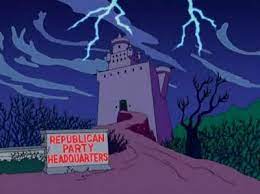
I love that the writers borrowed from Grammer's own life and made Sideshow Bob a man with conservative beliefs. I also love that the writers accurately portrayed the Republican National Headquarters:


Although, they made it look nicer for broadcast.
(But seriously, this joke hits even harder today)

However, this episode does throw in multiple jokes about liberals and the Democratic Party which helps give the episode a bit of an even balance.
(It isn't in this episode, but they eventually portray the Democratic Headquarters as being set in a salad bar which is also pretty humorous).

Considering it is an episode that goes into the idea of election fraud, it also feels very potent to watch in today's world.

At least the episode gets something right: leave it to a Republican to commit some kind of major fraud.

________________________

#9-Two Dozen and One Greyhounds

Written by Mike Scully


Much like Sideshow Bob, you can't really go wrong with episodes that delve into the diabolical world of C. Montgomery Burns. As a side character, Burns became so focal early on that you could consider him practically a lead character on par with some of the family members at times.

This episode practically writes itself: the family's dog, Santa's Little Helper, gets another dog pregnant and thus they know have several puppies they end up needing to give away. Mr. Burns wants companionship, but he also wants to add to his collection of animal-based clothing accessories.

Mr. Burns as a Cruella de Vill stand in? That is gold. 

Burns gets to sing "See My Vest", which is inspired by Beauty and the Beast's "Be Our Guest" as a way to tell the audience (along with Lisa and Bart watching through the window) that Burns wants to kill and shave these puppies for his new fur vest. The show has had a great history of strong original songs or, at least, songs inspired by other material; this is easily one of the best.

This episode was written by Mike Scully and might be one of his best episodes. I admittedly, as do a lot of Simpsons fans, have mixed feelings about Scully as he would become showrunner during season 9 up through season 12, which is often considered the era that The Simpsons began to see its downfall into what is known as "Zombie Simpsons" and the creation of Jerk-ass Homer who might seem more in line with a family patriarch like Peter Griffin on Family Guy.

I intend to talk about two of those seasons (9 and 10) eventually, so I will let that go for now.

_________________________

#8-And Maggie Makes Three

Written by Jennifer Crittenden

As I stated in my intro, "And Maggie Makes Three" joins a group of heartwarming flashback episodes like "Lisa's First Word" or "The Way We Was" that feel similar to that of the earliest seasons. 

While it might play as being a bit too sweet to some, this is one of those episodes that shows Homer has his moments of being a very loving and caring father.

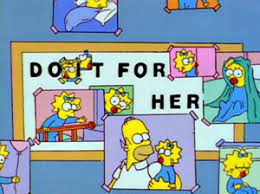
The final "Do It For Her" ending might be the single greatest cutesy moment in the series' history. 

It is such a strong bit that I feel like it almost singlehandedly put it on this list and gave it a push up a couple of slots.

__________________________

#7-Bart of Darkness

Written by Dan McGrath


As one of my favorite season premieres, "Bart of Darkness" is one of those episodes that settles into its world and then, in true Hitchcockian fashion, knocks everything over and it suddenly becomes about something else.

It is summer in Springfield and the town is suffering from a sweltering heat wave. It is so intense that the family has taken to using their refrigerator as an AC...but don't worry, if their food spoils, the Hot Texas Chili man is driving around offering to feed the town.

Things take a turn when bus driver Otto shows up with a portable swimming pool which leads to Bart and Lisa proposing to Homer that they need a pool of their own.

Lisa: "Dad, we've been swimming...and we've developed a taste for it".

Homer caves and they get the pool, singlehandedly becoming a hot commodity to the neighborhood.

This popularity goes to Bart's head as he tries to show off by doing a risky pool jump, only to break his leg.

Then...the episode suddenly becomes a Rear Window parody and one of the best plot misdirects the show ever concocted.

Except for maybe Martin, who is left without a pool and to sing Sinatra tunes all by his lonesome. 

________________________

#6-Grandpa vs. Sexual Inadequacy

Written by Bill Oakley & Josh Weinstein


Abraham Simpson, the father of Homer, is a character that I love but I often find myself less drawn to episodes that feature him as a focal point. He tends to work best in small doses and often times, the writers tend to know which characters are best to use sparingly.

"Grandpa vs. Sexual Inadequacy" might be my favorite Grandpa-centric episode, but a lot of that also has to do with the relationship between him and Homer.

Within the episode, Homer and Marge are suffering from a faltering sex life which leads to one of my favorite bits from this era of the series: Homer suggests they read the Kama Sutra, but Marge wants something tasteful: Mr. & Mrs. Erotic American, a book-on-tape narrated by longtime radio personality Paul Harvey. 

While Paul Harvey does not save them, it is actually Grandpa who steps in and offers a tonic and it does the trick, leading him and Homer out on the road to sell their product at trade shows.

The relationship between Abe and Homer is a troubled and complicated one, especially with Homer's mother Mona having passed away (until we discover otherwise in season 7!). The comedy and the drama between the two only further show the genius of voice actor Dan Castellaneta, who voices both Homer and Abe.

The final scene, which manages to be both hilarious and bittersweet as Homer's childhood home burns down, is a classic.
_________________________

#5-Homer Badman

Written by Greg Daniels


Greg Daniels would go on to co-create King of the Hill and, more famously, adapt the BBC sitcom The Office for American television. It was actually this episode that caught the attention of Office creators Ricky Gervais and Stephen Merchant as they deemed it the best episode of The Simpsons.

I certainly don't go that far, but there is something about this episode that stands out in a way that is rather unique than most episodes from that time period.

Starting with the McGuffin of Homer and Marge attending a candy convention in which Homer claims a prized green gummy, the episode really takes off when a young babysitter mistakes Homer grabbing the gummy from her behind as being sexual harassment. 

The provided picture above is what the babysitter sees when she turns around...and frankly, Homer has no social grace when any kind of edible treat is around.

Homer quickly becomes a pariah and is tarnished in the press for being a sexual predator. 

When writer Greg Daniels originally pitched the episode, he wanted it to be another battle of sorts between Homer and Lisa and the idea of what feminism is. David Mirkin wanted to turn it more into the crazy exploitation storyline that it became, complete with a parody of then tabloid TV staple Hard Copy, here called Rock Bottom. In many ways, this episode feels far more relevant and potent in today's world than it did when it originally aired. 

This was even before the Monica Lewinsky scandal occurred, for reference.

Definitely one of the better examples of The Simpsons at its most brash and cynical along with being a perfect statement towards the extreme media exploitation that has gotten worse in the 25 years or so since it originally aired.

_________________________

#4-Who Shot Mr. Burns: Part One

Written by Bill Oakley & Josh Weinstein


Ending a season with a cliffhanger has become more commonplace with comedic shows these days, but back around the time this episode aired, it was very rare for a show like this, animated or not, to end a season with a cliffhanger.

However, after 7 seasons of being a deliciously diabolical villain, it seems very fitting to have Springfield all wanting to see C. Montgomery Burns dead.

Modeled after the iconic "Who Shot J.R.?" cliffhanger from the 80s soap Dallas, this episode sets up multiple characters making proclamations that they want Burns to die. 

Of course, the really funny aspect of this vengeful crew is Homer Simpson seems more hellbent because Burns still can't remember his name after all these years. 

I will be discussing the follow-up when I make my post on season 7, but I certainly feel like time has been kinder to the resolution than many seemed to make of it in the 90s.

__________________________

#3-A Star is Burns

Written by Ken Keeler


As something of a controversial episode behind the scenes within The Simpsons, "A Star is Burns" is the kind of episode that should be gimmicky and a mess...and yet it isn't.

Simpsons creator Matt Groening was so incensed the idea of the episode that he lobbied hard for it not to air, and then when that failed, he isn't his name be removed from all credits when the episode would air.

The reason for this was that this was essentially a cross-over episode in which former Simpsons headwriters Al Jean & Mike Reiss produced this based around the lead character of the show they left The Simpsons to create: the short-lived series The Critic, which was about a film critic with his own show a la Siskel and Ebert. The critic, Jay Sherman, was voiced by Jon Lovitz, who had been a recurring voice actor for The Simpsons practically since it began.

Did it seem like a cheap ploy? Maybe in a way. 

Did they make it work? I honestly think they did...even if The Critic didn't survive in the grand scheme.

The plot revolves around the idea that Springfield has no culture, which leads Marge to want to start a film festival and have a famous film critic (The Critic's Jay Sherman) come to town and be an adjudicator.

I think a lot of what makes the episode work is that it doesn't entirely rely on references to the other show (except for one key joke in which Bart tells Jay "I think all kids should watch your show" to which he promptly says that he "feels so dirty" for even saying that)...and that a lot of the drama comes from Homer pushing to join the judges despite Marge's insistence that he would not vote for the best film and vote for something as silly as Hans Moleman's Man Getting Hit By Football or as he calls "FOOTBALL IN THE GROIN!"

Burns also tries to weasel his way into the festival by making a grand epic which the town sees right through, even though he tries to buy the votes of other judges, like Krusty the Klown. However, its drunken Barney Gumble who makes a splash with artistically dreamy but unfortunately titled Pukahontas, a very blunt statement on alcoholism.

In the end, it was a gimmick to get another show a potential ratings grab. It didn't work to save The Critic but honestly the episode succeeded far more than it possibly could have.

__________________________

#2-Treehouse of Horror V

Written by Bob Kushell, Greg Daniels, Dan McGrath, and David X. Cohen


This might very well be the definitive Treehouse of Horror anthology installment.

Since I haven't really discussed these yet in my series, the Treehouse of Horror segments are the show's longest running bit as around each Halloween, they do an episode solely focused on telling scary stories, usually three per episode. It has been occurring every year since 1990.

This fifth installment contains the truly hilarious parody of The Shining which is called The Shinning.

Bart makes a point to call it out before Groundskeeper Willie stops him: "Shhhh! You want to get sued?!".

Time & Punishment has Homer traveling through alternate dimensions trying to make it back to normal. Perhaps the best bit is when Homer asks for donuts only for Marge to ask "What are donuts?" leading Homer to quickly leave that dimension. 

That leads to the great gag where in that dimension, rain only exists as what we know are donuts.

Lastly, Nightmare Cafeteria might be one of the darkest segments they've tackled in which one by one, all of the staff are killing students of Springfield Elementary in order to eat them.

I normally consider these episodes to be pretty solid though I don't often end up ranking them. In this case, it was too hard to ignore its greatness.

__________________________

#1-Lemon of Troy

Written by Brent Forrester 


The defining episode of Mirkin's tenure is often considered to be season 5's Deep Space Homer, but I think his staff truly stumbled upon something wonderful when plotting out Lemon of Troy.

Considering this episode comes down to a Hatfield and McCoy style feud between the towns of Springfield and Shelbyville when the latter town steals the former's famed Lemon Tree, it gives the episode more of a charming feel that is very reminiscent to some of the episodes from the show's earliest days. 

The comradery between the kids and their parents in trying to get this tree back is truly infectious and is even more fun when you factor in that Shelbyville's citizens are essentially darker and more rural doppelgangers of the people of Springfield. 

In fact, Homer's doppleganger (voiced by Hank Azaria) has the original Homer voice that Dan Castellaneta used which was modeled more after Walter Matthau than what it eventually became.

By the episode's end, Springfield achieves its success in stealing back its lemon tree, much to the chagrin of Shelbyville. 

 Sadly, they will just have to cling a little closer to their abundance of turnips.
_____________________________

FINAL THOUGHTS:


Before writing out my top 10, I made a comment that you could easily make a case that season 6 was the greatest season of The Simpsons. 

In terms of consistency, I would have to say that I agree with such a proclamation.

While Season 4 has more episodes that make my top 10 of the best episodes of all time, I think season 6 manages to strike gold a little more often.

The season does contain a clip show which we will just toss out of the running for obvious reasons, but even its weaker episodes are still a lot better than some of my least favorite episodes of the golden era, like The PTA Disbands, The Springfield Connection, or Bart vs. Australia.

I think that the truly remarkable thing is that The Simpsons made it to this season and to season 7 on a truly creative peak. 

The sad shame is that a lot of it starts to dim in season 8 and then steadily crash throughout seasons 9 and 10....but we will get there.

Season 6 is certainly a season of television that I adore...and that goes even beyond the realm of it being within The Simpsons universe.

Stay tuned for my volume on Season 7, another season that is simply fantastic and, sadly, the last truly masterful season of the series.
_____________________________

REVISITING THE OTHER SEASONS:

Season 1: This post has been taken down and will be revised

Season 3

Season 4


SO...I Am Officially a YouTuber! (AND A POSSIBLE FAREWELL TO THE BLOG)

It has been a long time coming, but I have finally started the YouTube channel I kept wanting to create for the last several years! The chan...